Common Questions, Answered
-
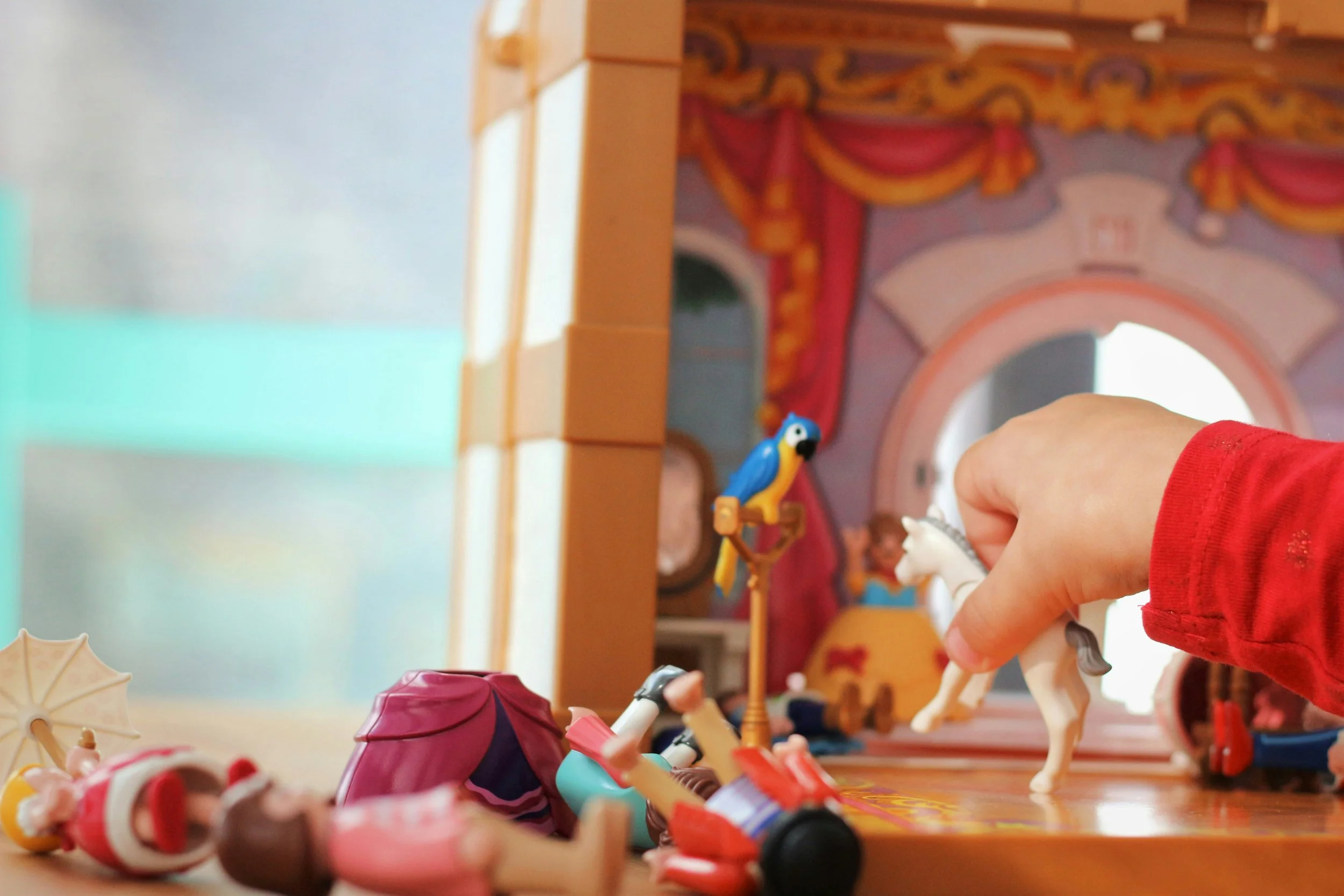
Sessions take place in a safe, consistent space with a range of creative materials. Children can express themselves in different ways, including sand tray, art, clay, puppets, drama, music and messy play.
They are given the time, tools and opportunity to do their therapeutic “work” at their own pace.
-
Play therapy is usually a longer‑term process. Sessions are offered in blocks of 6, with a parent consultation after each block.
The minimum number of sessions required is 12 but the average length of therapy is around 30 sessions, although every child’s needs are different. Progress is reviewed regularly, and we decide together when a child a ready to end.
Play therapy is a gradual and thoughtful process. While it can be tempting to look for quick solutions, lasting change takes time, consistency, and a safe therapeutic relationship.
-
Progress is often gradual and may not always be immediately visible. However, clinical research shows play therapy yields positive outcomes in about 71% to 84% of cases for children facing behavioral, emotional, or developmental challenges.
The 4 universal outcomes are:
Increased self-esteem and self-efficacy
Increased emotional vocabulary
Increased self-regulation
Expanded worldview
There may also be ups and downs as your child works through their feelings and experiences and this is natural part of the process.
In general, children go through four stages of therapy (not always in a clear and linear way) and I will explain this during the initial parent consultation so we can review their progress together.
-
Yes, you are welcome to get in touch if you have a question or need to share something important.
If a longer or more in‑depth discussion is needed, we may arrange an additional parent consultation.
-
Your child’s privacy is important. I will share general themes and progress with you, but will keep details of what your child does and says in the playroom confidential unless there is a safeguarding concern. Your child may choose to tell you about their process but it is unhelpul to ask them questions about it. Confidentiality is just as important for children in therapy as it is for adults.
-
I understand that illness and other unexpected events happen but consistency is important, so I aim to keep sessions as regular as possible while being flexible where needed.
When children miss lots of sessions, it is more difficult for them to make progress and they often have to go back over things from previous weeks which means the process takes longer.
Where possible, please give as much notice as you can if you need to cancel a session. Alternative sessions may be offered depending on availability.
Obviously planned holidays (yours and mine) may mean that there are short breaks and children generally manage this well when they know about it from the start.
After the initial consultation, if you decide to go ahead with therapy, there will be a contract with more details on specific policies including cancellation.
-
No, sessions are always just the child and therapist in the play room. This helps build trust, maintains confidentiality, and allows children to express themselves freely.
Sometimes children (and parents) find this difficult at first and we will discuss this at the initial parent consultation and plan for the transition carefully.
Parents/carers are welcome to sit outside the playroom if that makes things feel more comfortable but sometimes this can be unhelpful as children want to open the door and check in or show things which interupts the process.
-
Where appropriate, I can contribute to or attend meetings such as reviews or planning meetings. This can be discussed in advance, and any additional time would be agreed beforehand. As I have another full-time job, taking time out during the week for meetings can be difficult but if I have enough notice, then I can usually arrange this.
-
Yes, I aim to provide an inclusive and supportive space for all children. I have experience supporting children with a range of needs and conditions but will always consider whether play therapy is the most appropriate approach for each child or whether a different kind of intervention would be more suitable.
-
Sessions will be at the same time every week at the Playroom in Oban. We will schedule a session time after the initial consultation if you decide to go ahead but these will usually be on a Sundays.
It is important for children that they have a sense of routine about their therapy and that it is kept contained within the room. I will never conduct sessions outside or at schools or family homes because play therapy is something separate for children and when they are done, they can choose to leave me and the playroom in their past. This means they may choose to ignore me in Tesco - they are not being rude, they are preserving the boundaries of the therapeutic relationship and I promise I will not be offended!
-
Sessions are charged at £60 per session, with sessions offered in blocks of 6 to support consistency and allow the therapeutic process to develop.
This cost includes:
Weekly 1:1 play therapy sessions
Regular parent consultations at the end of each 6‑session block
A summary report at the end of the therapy process
Additional work, such as extra meetings (e.g. school or multi‑agency meetings) or written reports, requested outside of the agreed process, will be charged at £40 per hour.
-
I am trained to deliver group therapy but I am not offering this at the moment due to time constraints. If a child is struggling with peer relations individual play therapy can still be helpful and often less daunting than group work.