About Play Therapy
Play therapy is a well-established therapeutic approach that helps children explore and express their thoughts, feelings and experiences through play and creative activity. Just as adults often use words to talk about what is happening in their lives, children naturally communicate through play. Their play can provide valuable insight into their inner world and offer a safe way to process emotions and experiences that may be difficult or scary to put into words.
Play therapy can support children experiencing a wide range of challenges, including anxiety, low self-esteem, emotional regulation difficulties, friendship or family issues, bereavement, separation, trauma, behavioural concerns, or significant life changes. It can also benefit children who may not have the language, confidence, or emotional vocabulary needed to talk openly about how they are feeling.
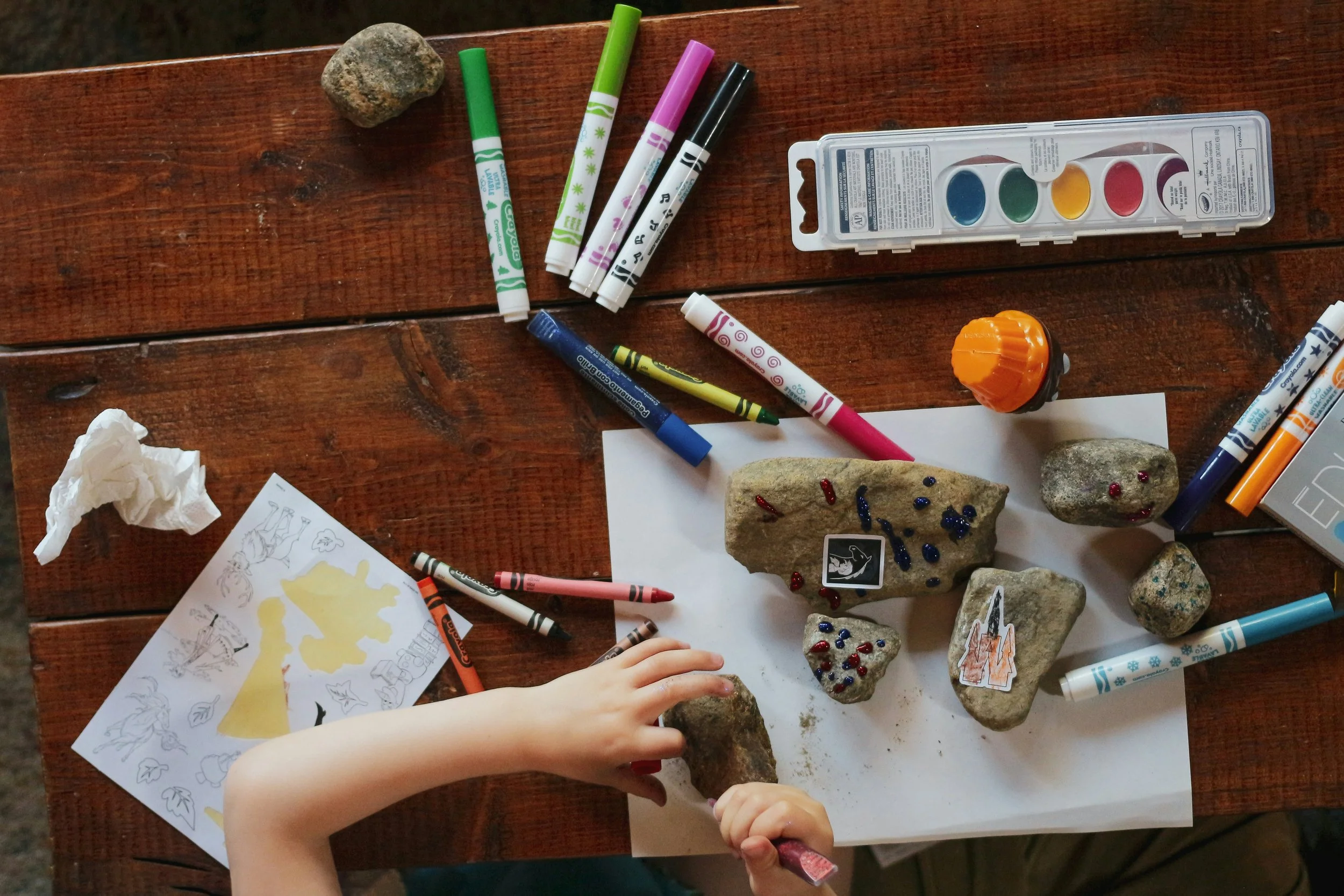
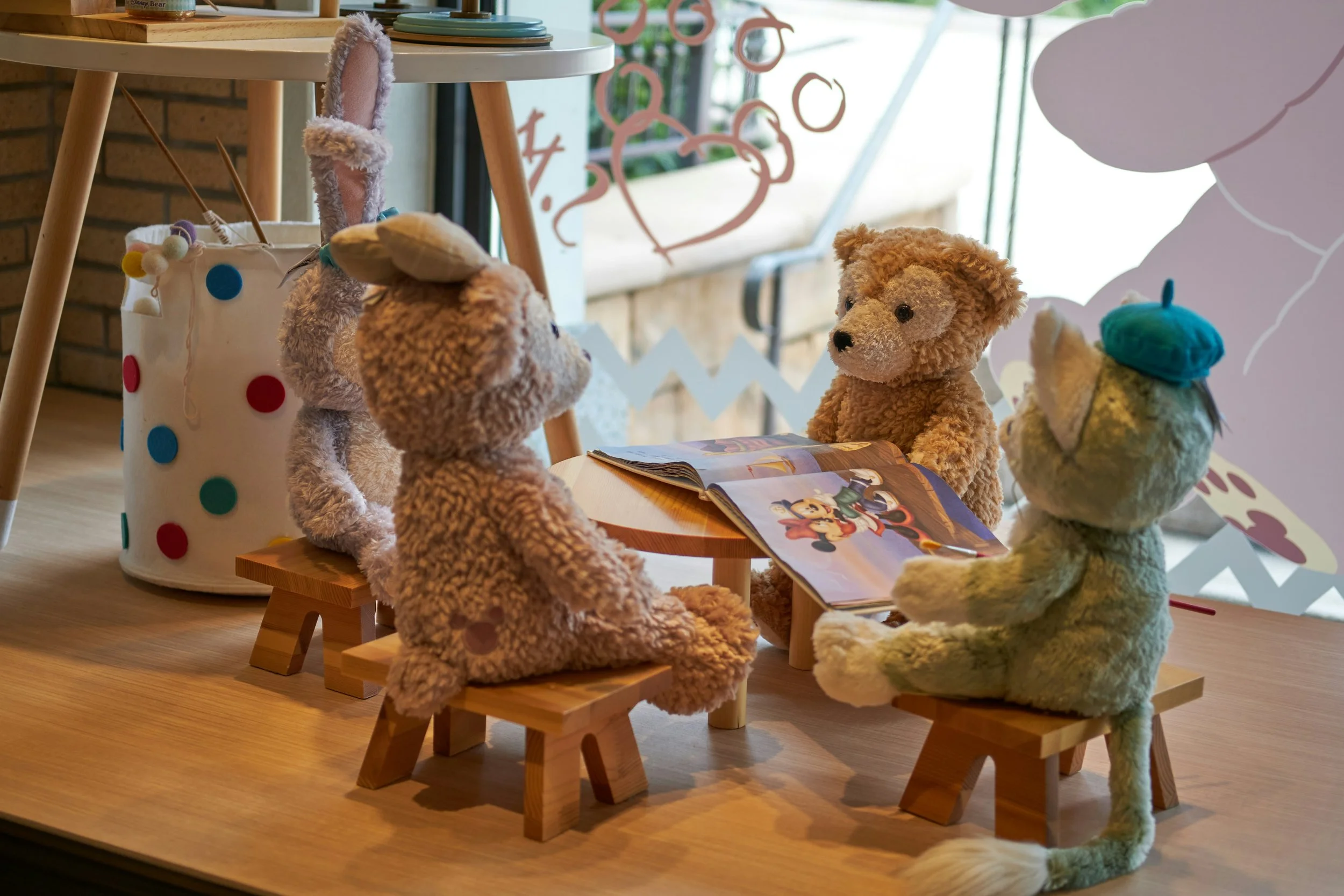
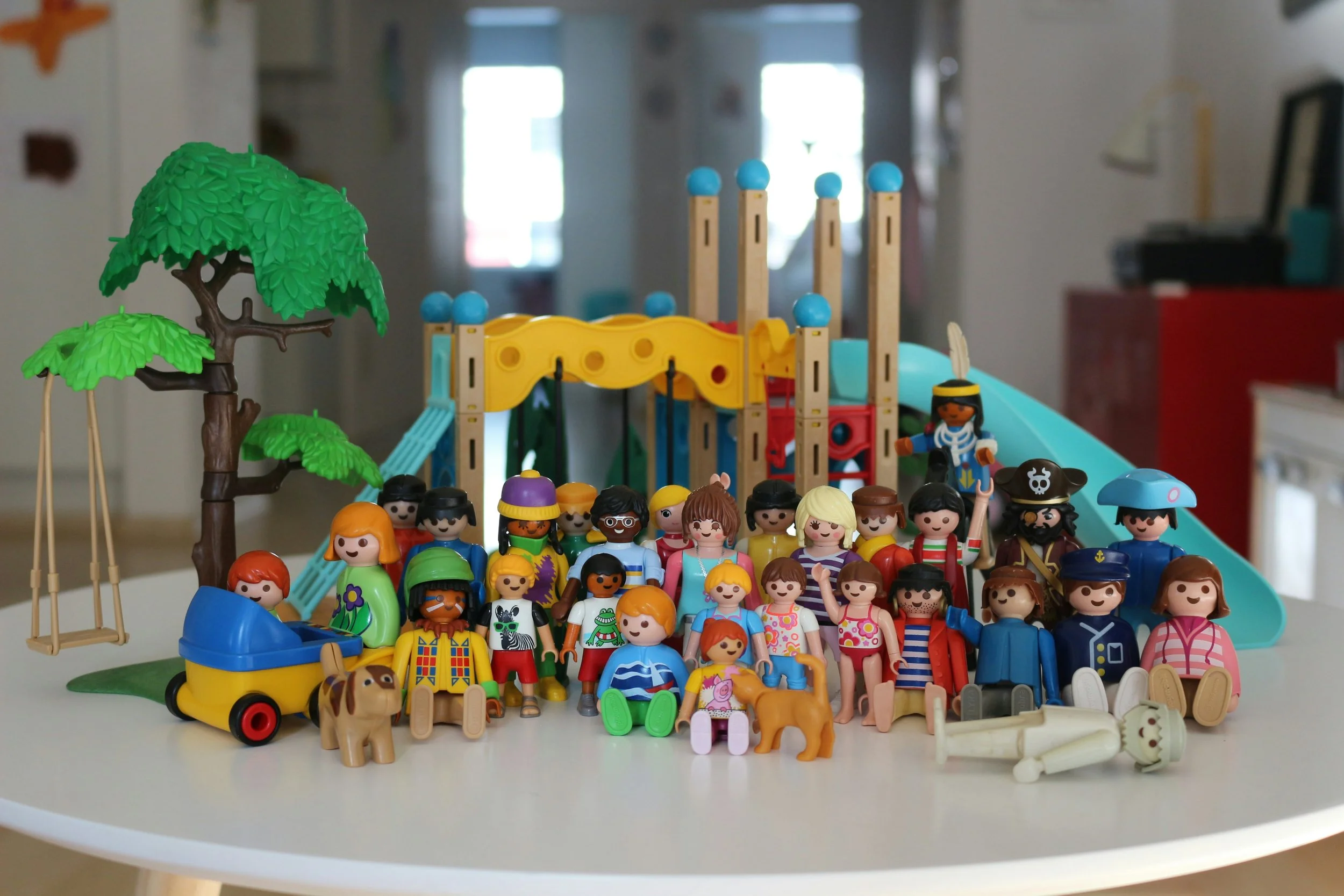
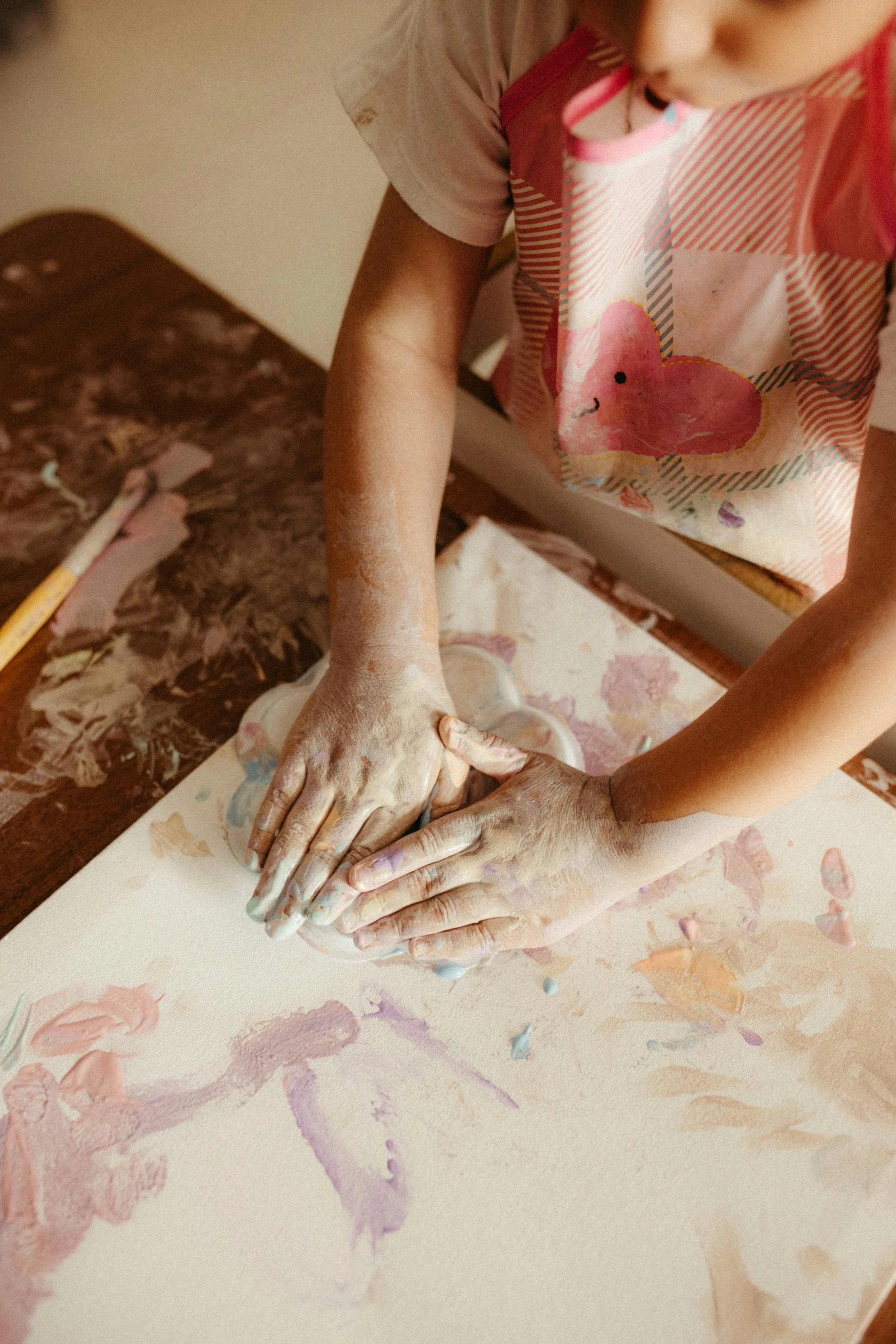
Sessions take place in a dedicated play room where children have access to a variety of toys and creative materials, such as sand tray, paint, clay, puppets, dolls, masks, storytelling resources and musical instruments. These tools allow children to express themselves in ways that feel natural, comfortable and developmentally appropriate.
Within the safety of a trusting therapeutic relationship, children are given the opportunity to explore their feelings, make sense of their experiences, and develop greater self-awareness. Through the process of play, they can begin to work through worries, build resilience, strengthen their confidence, and practice ways of coping with life's challenges.
Every child's journey in play therapy is unique. The pace and direction of sessions are guided by the individual needs of the child, creating a unique space where they can feel accepted, understood and supported as they grow and heal.
My Approach
I am trained in the Integrative Holistic Model of Play Therapy, which draws on a range of therapeutic modalities to meet the unique needs of each child.
My approach is primarily grounded in traditional Child-Centred Play Therapy, a non-directive model that allows children to lead the therapeutic process. Rather than directing sessions, I provide a safe, consistent and accepting environment where children can express themselves and work through their experiences at their own pace.
I believe that when children feel truly heard, valued and understood, they are better able to explore their feelings, make sense of their experiences, and develop confidence and resilience.
Within this approach:
The child chooses how they express themselves and limits are only set when required
There is no pressure to talk, answer questions or explain anything
The child leads, and the therapist follows, reflecting content and feelings to help the child gain insight
Play provides a safe way to explore feelings and experiences
My role is to offer a warm, attuned and non-judgemental presence, supporting each child through the therapeutic relationship.
Children have access to a wide range of toys and creative materials, including sand, paint, clay, role play props, puppets, masks and musical instruments. This variety allows them to express themselves in the way that feels most natural and meaningful to them.

About Me
My name is Arlene Colewell, and I am a qualified play therapist based in Argyll.
I’m originally from Oban and lived in Edinburgh for a few years before returning to Argyll where I now live in a small village on the edge of Loch Awe. I feel strongly connected to this area and am passionate about supporting children and families within my local community.
I hold a BSc (Hons) in Psychology and a Postgraduate Diploma (with distinction) in Play Therapy, and I have over 25 years’ experience working with children and families across a range of settings.
Alongside my private practice, I am the full-time Manager of Argyll and Bute Befrienders, a local charity supporting children and young people.
As a play therapist, I aim to provide a secure, accepting and supportive space where children feel comfortable to express themselves and explore their experiences through play. I believe that, given the right environment and relationship, children have a natural capacity to heal, grow and develop resilience.
The Structure
Each child’s journey in play therapy is unique, but there is a gentle structure to support both the child and their family throughout the process. Play Therapy is not a short-term intervention and usually children need between 18 and 35 sessions for meaningful change to occur.
Sessions are 50 minutes long and take place at the same time each week, helping to create a sense of routine and safety
Sessions cost £60 each and are booked in blocks of 6 (payment weekly, monthly or full block)
After every 6 sessions, there is a 60‑minute parent/carer consultation (no extra charge). This provides an opportunity to reflect on progress, share insights, and talk through any questions or concerns
At the end of the therapy process, a summary report will be provided (no extra charge), including any recommendations for ongoing support if needed
Any requested additional consultations, attendance at meetings and written reports will be charged at £40 per hour.
The Therapeutic Journey
The Process Box
Throughout the therapy process, I keep a “process box” for each child. This is a special, private space where I safely store anything children create during sessions - such as artwork, clay models, or photographs of their sandtray scenes.
These items are kept in secure storage until the end of the process, rather than being taken home each week. This helps to keep the therapeutic process contained and allows your child’s work to remain part of their ongoing journey, rather than being interrupted or influenced by outside experiences.
At the end of therapy, we revisit the contents of the process box together in a gentle and child-led way. Children can look through what they have created, reflect on their journey if they wish, and decide what feels important to them.
Some children choose to keep certain items, while others choose to let things go. For many children, the act of throwing away all or parts of their work can be a powerful and meaningful way of confirming that they have done what they needed to do and are ready to move forward.
This is an important part of the therapeutic ending and helps children to feel a sense of closure and achievement.